

Our Get Lippy survey findings
Want to know more about what we’ve uncovered in our Get Lippy survey?
You can read more about our full findings in our blog.
A big thank you to Amazon for helping us spread awareness of gynae cancers this May.
If you're new to The Eve Appeal, we are the UK's leading gynae cancer charity and our annual Get Lippy campaign is all about getting lippy and loud about the five gynaecological cancers – womb, ovarian, cervical, vulval and vaginal. And making sure that everyone knows their body and the key symptoms to look out for.
Abnormal bleeding is a very literal ‘red-flag’ for three out of the five gynae cancers- womb, cervical and vaginal. Yet our Get Lippy survey (Yougov) found that although abnormal bleeding might be easy to spot, less than half of women would act on their symptoms and get bleeding checked. Abnormal bleeding is often the first symptom to arise with these cancers, and getting it checked out can help you either get your mind put at rest and your symptoms eased, or if you do have a cancer, get started on the treatment pathway as soon as possible.
So, what is abnormal bleeding and when should you get it checked by a doctor:
- Bleeding in between periods
- Bleeding after sex
- Bleeding after the menopause, this includes anything from a bit of pink or brown discharge, spotting, or a full bleed
- Bleeding that is much heavier or more painful than what is normal for you
- Blood-stained discharge, which could be pink, red or brown (when you aren’t expecting it around your period)
If you have any of these symptoms do go to the doctor, it's more likely to be caused by something less serious than cancer, but it is always worth getting it checked out, just in case. You can also get in touch with our nurse information service, Ask Eve, and chat to our nurses for free and confidential advice and information on nurse@eveappeal.org.uk or 0808 802 0019.
Want to know more about what we’ve uncovered in our Get Lippy survey?
You can read more about our full findings in our blog.

We have some tips on how to properly track your periods and bleeding so that you can get to know what is normal for you and easily spot if something changes that needs checking.
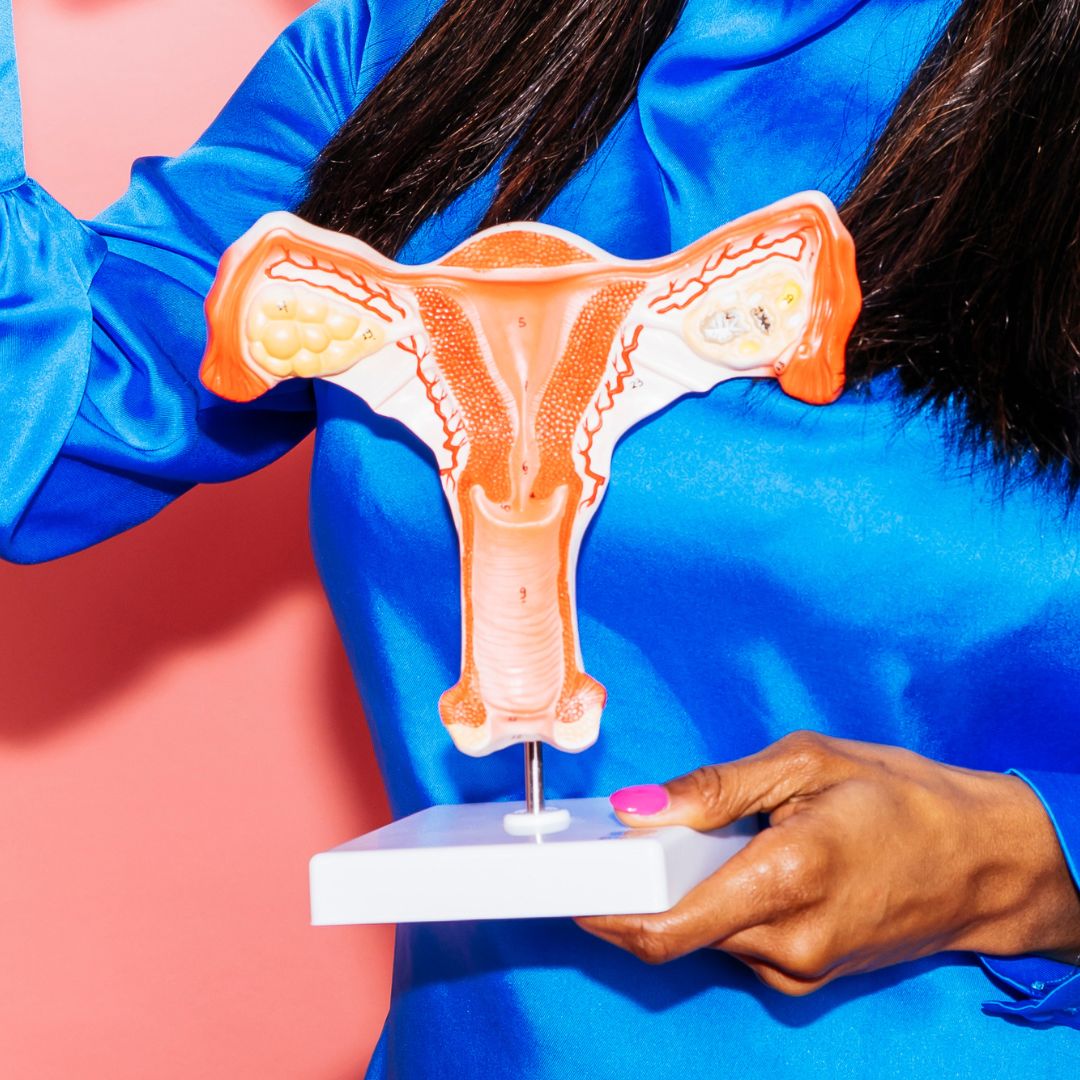
Each year in the UK, around 22,050 women and people with gynae organs are diagnosed with a gynaecological cancer.
Your generous support could help us keep funding innovative new research, as well as allow us to keep raising awareness of their signs and symptoms and breaking down the taboos around gynaecological health.

You can keep up to date with the latest gynaecological cancer news, research updates, events and fundraising opportunities by signing up to our e-newsletter.