
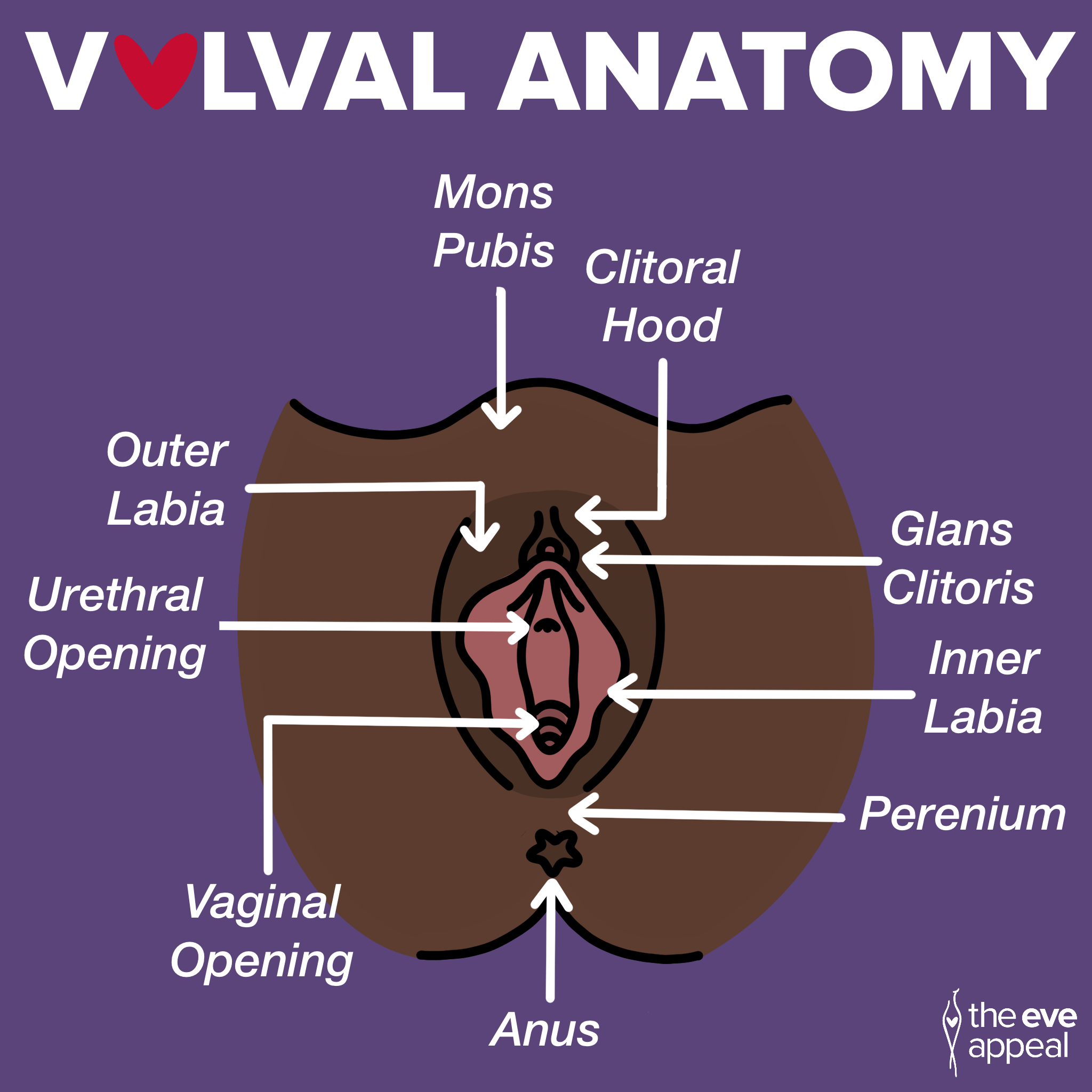
Gynaecological Anatomy
Knowing your anatomy is a great way to become more familiar with your body, so that you can know your normal and then spot if something is wrong and go and get it checked out by a doctor.
It also helps you accurately describe your symptoms to your doctor to help them help you- a lump on your vulva is very different from a lump in your vagina. It’s important to know the difference so that you can explain what is going on when trying to get medical help.

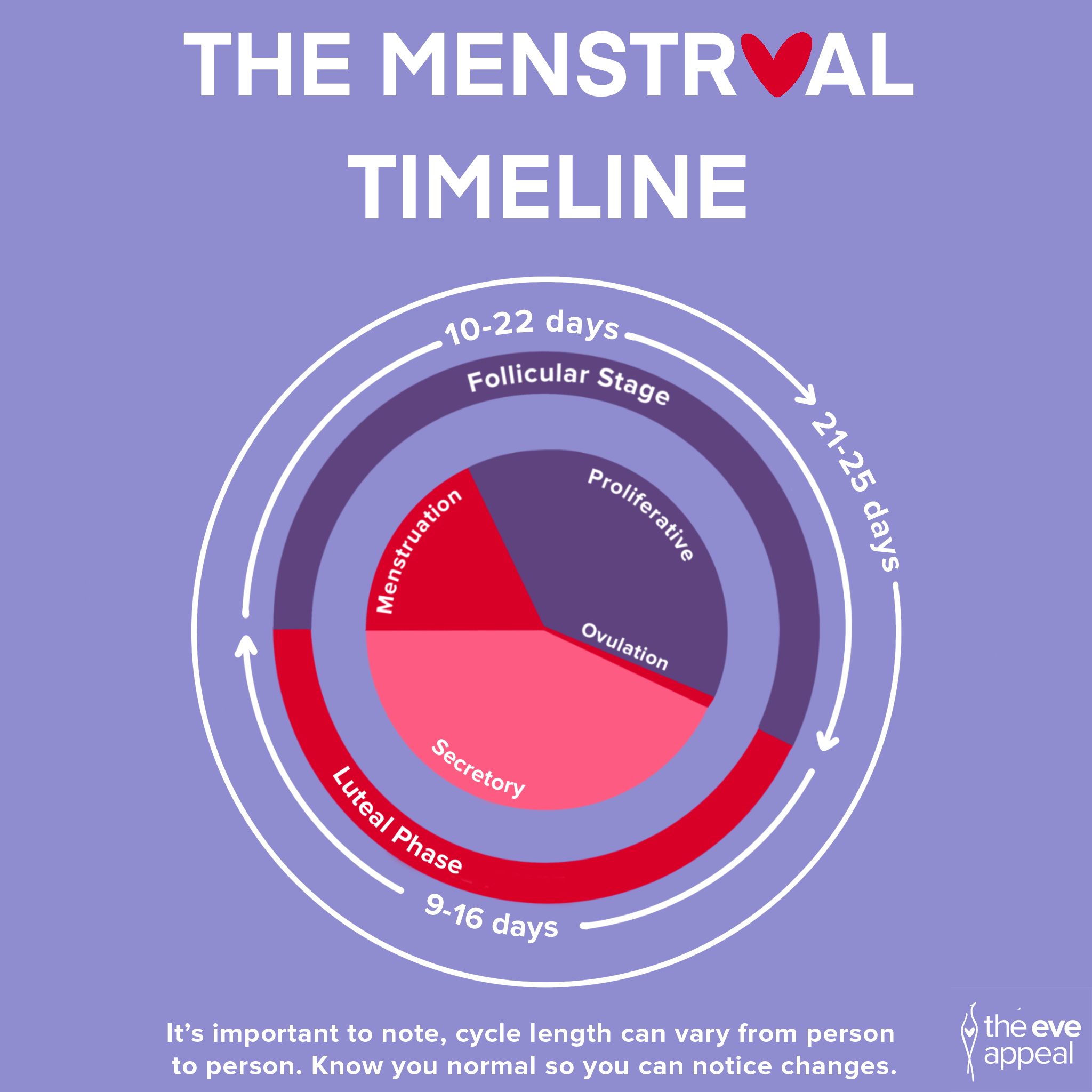
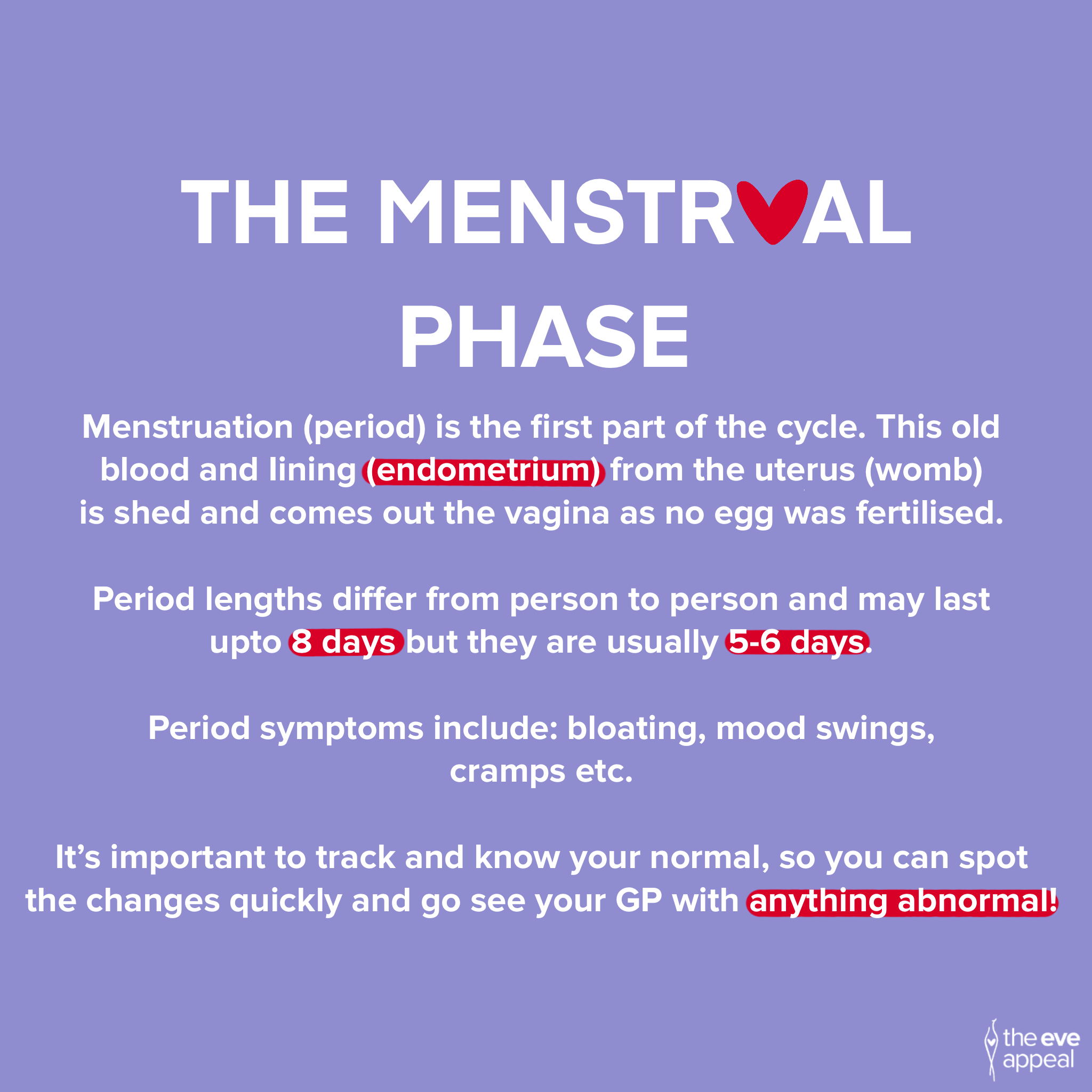
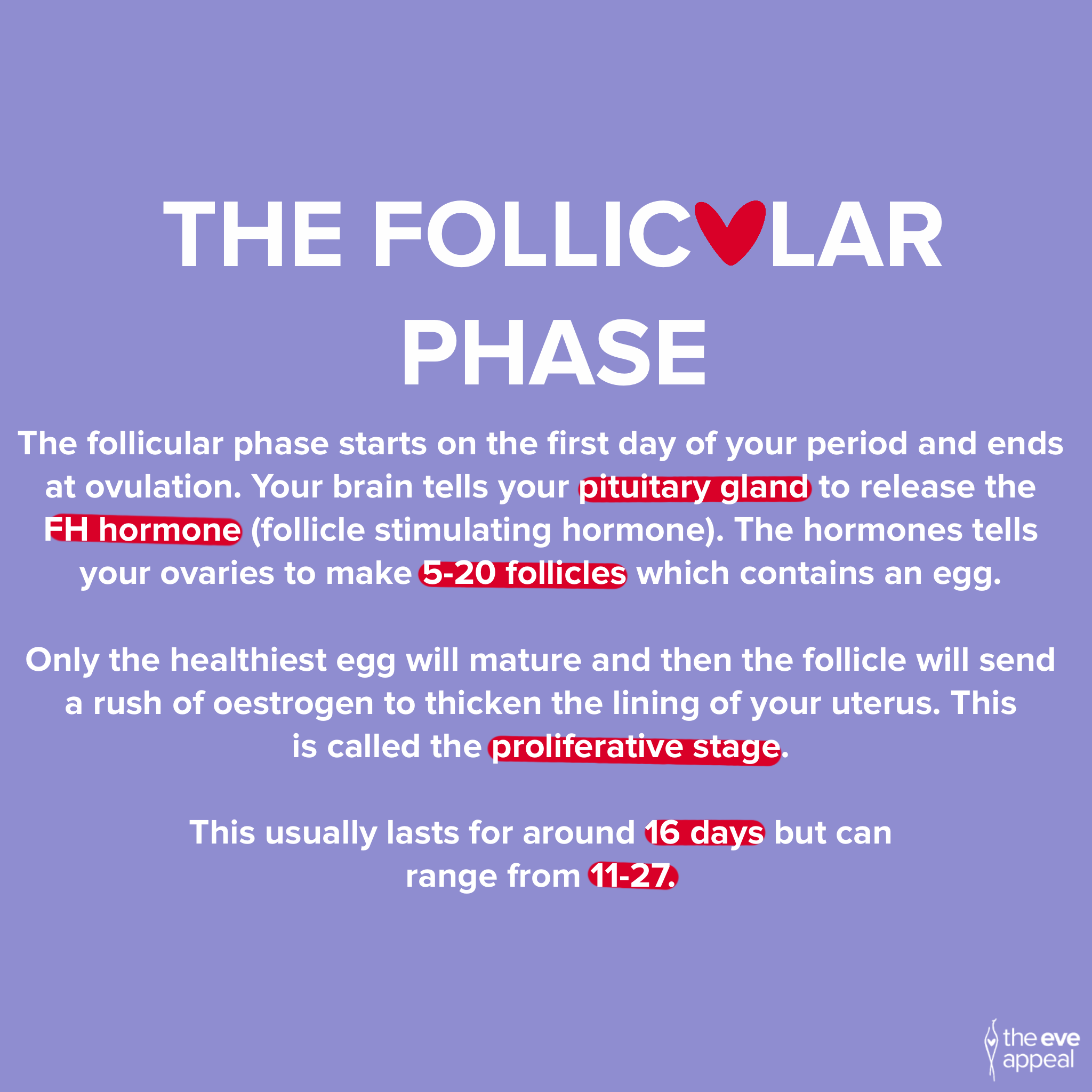
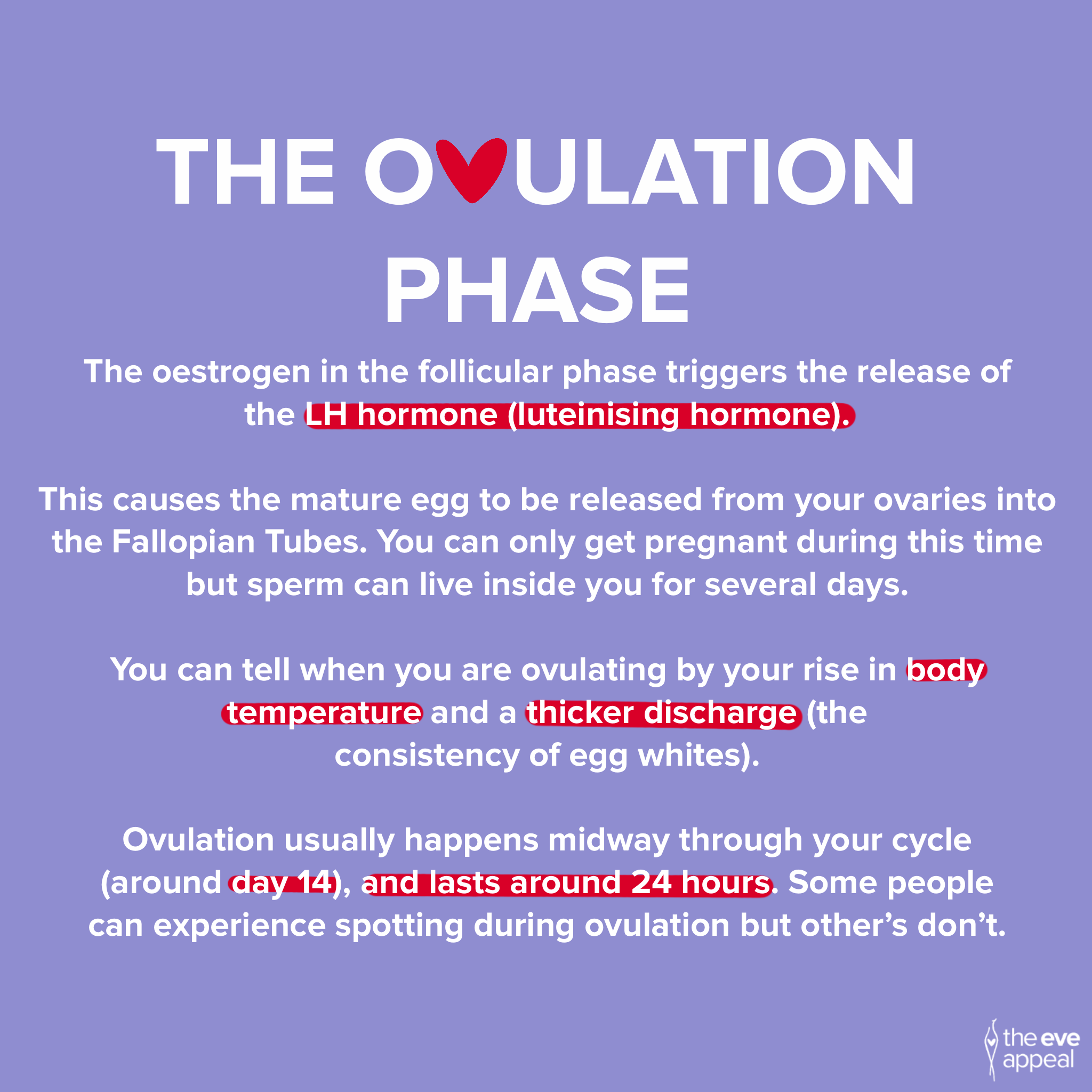
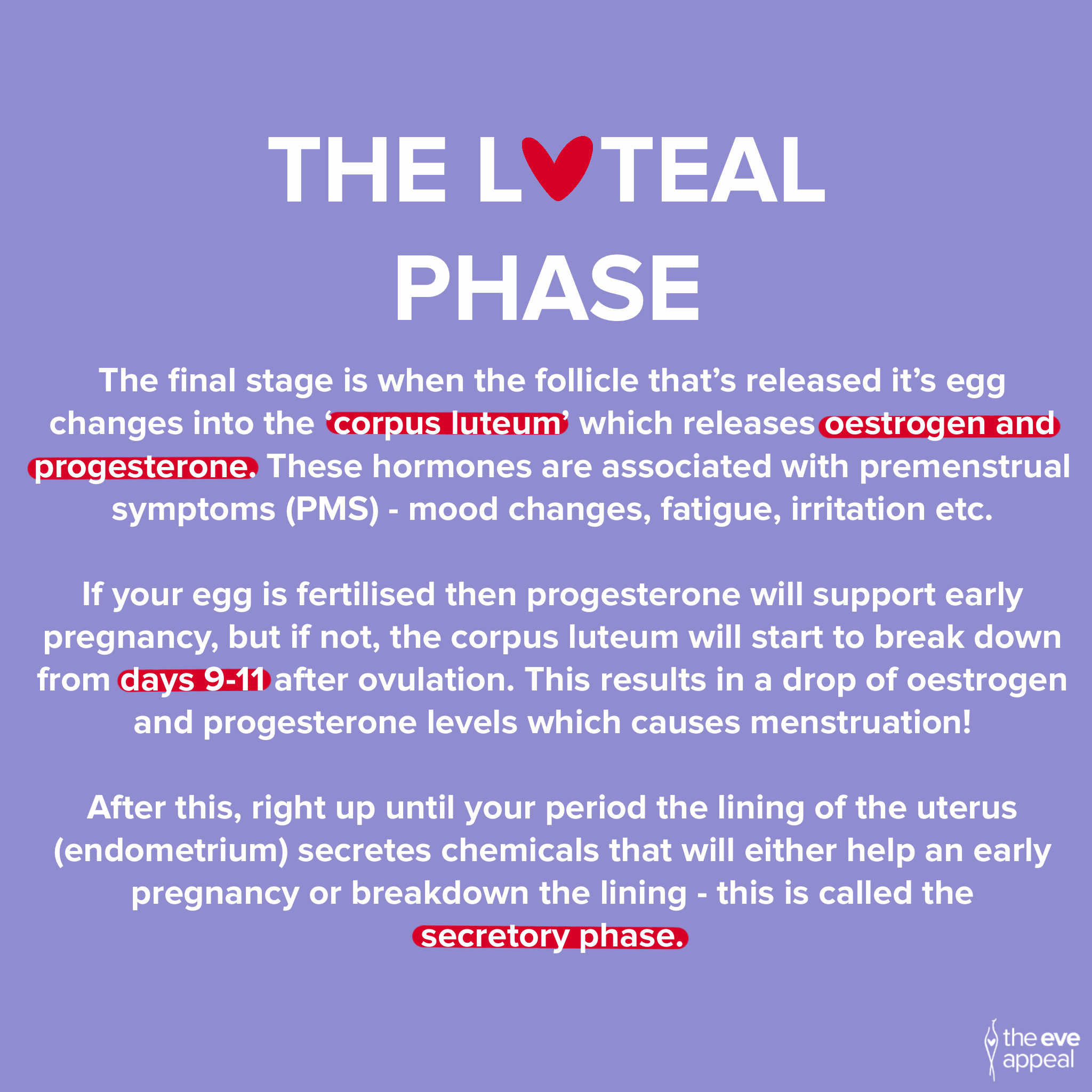
Menstrual Cycle
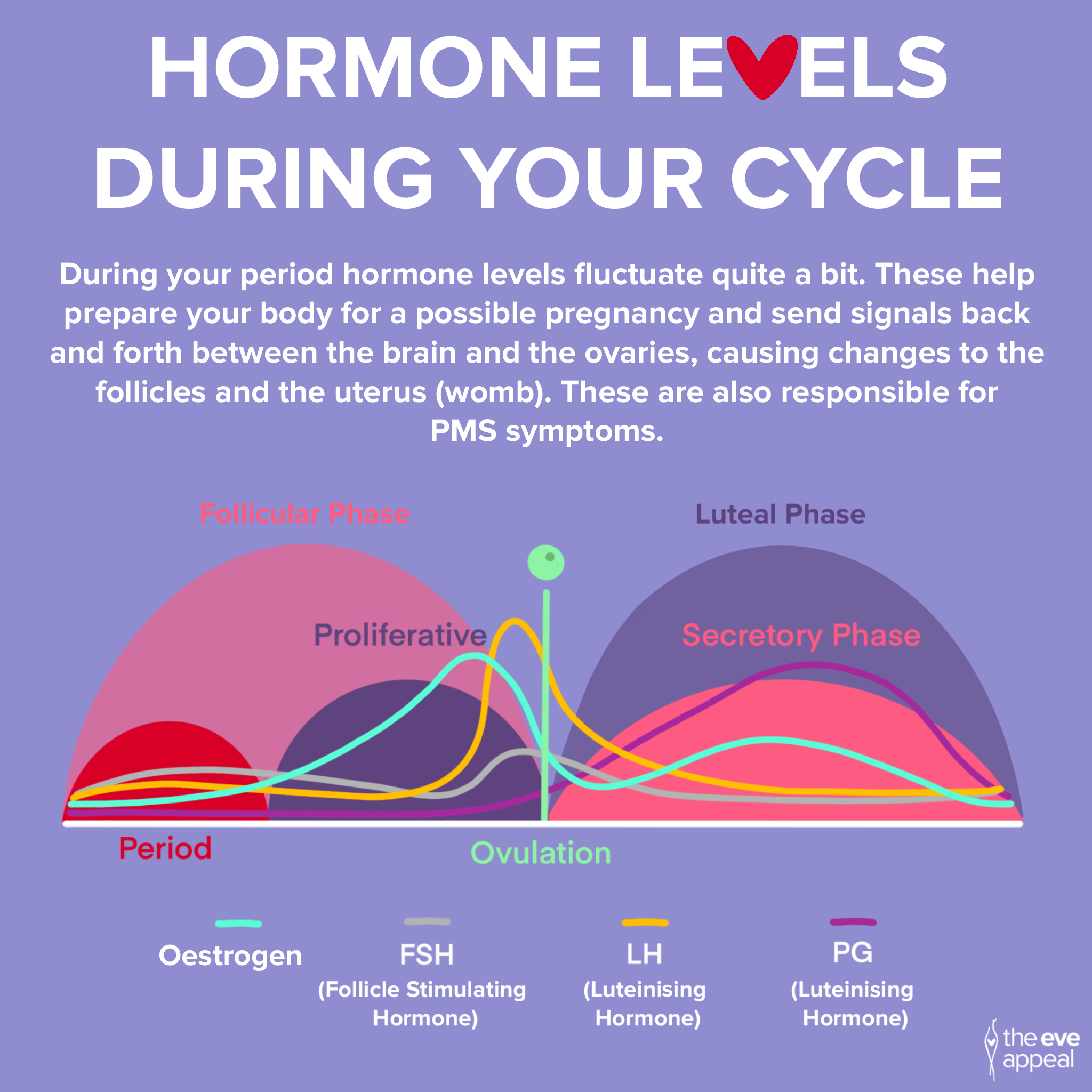
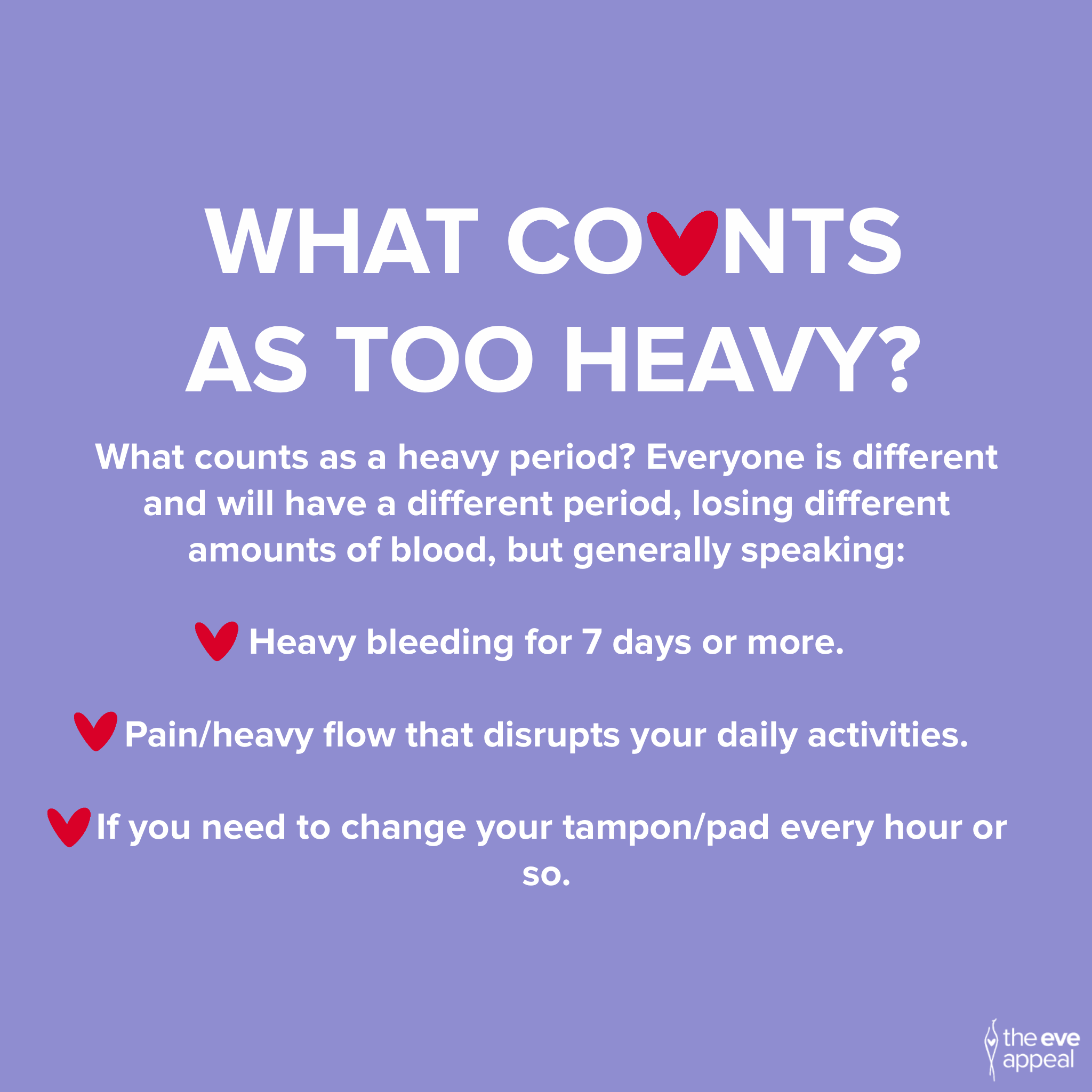
It’s important to know your menstrual cycle and whats normal for you. In terms of cycle length, how heavy and long your periods are, whether you have some spotting at ovulation- that way you can tell if anything changes and if you need to go to the doctor. We have tips on tracking your periods which you can find here.
Human Papilloma Virus (HPV)
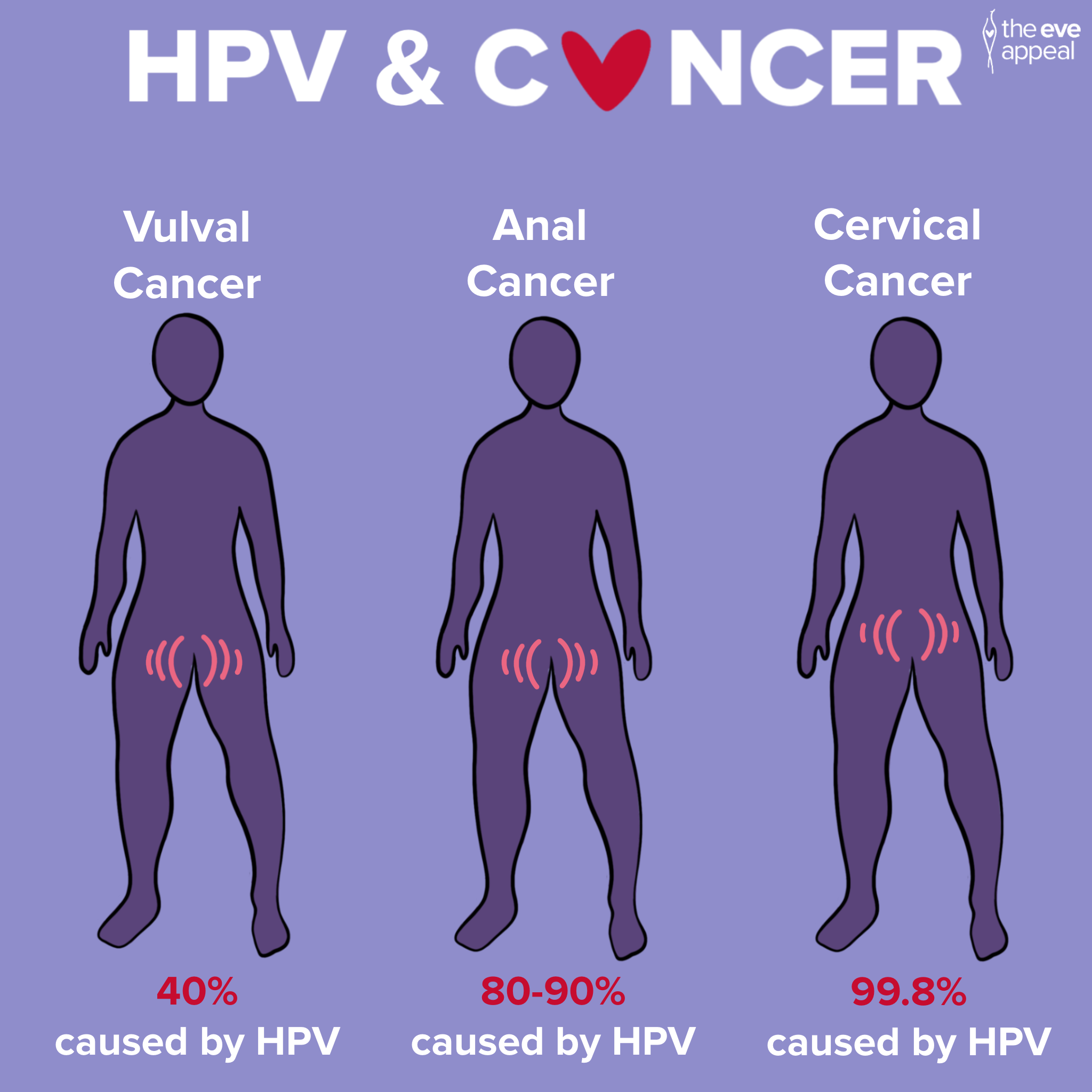
HPV is an extremely common virus that affects 80% of people at some point in their lives and is transmitted through skin-to-skin sexual contact- that’s from vaginal, anal, oral sex, mutual masturbation and the sharing of sex toys.
The virus itself is symptomless, and usually the immune system clears it by itself, so many people are never aware they ever had it and it’s almost impossible to tell who you got it from. As it is spread through skin-to-skin contact rather than bodily fluids, barrier protection methods like condoms and dams only give some protection against it as some skin will still be touching.
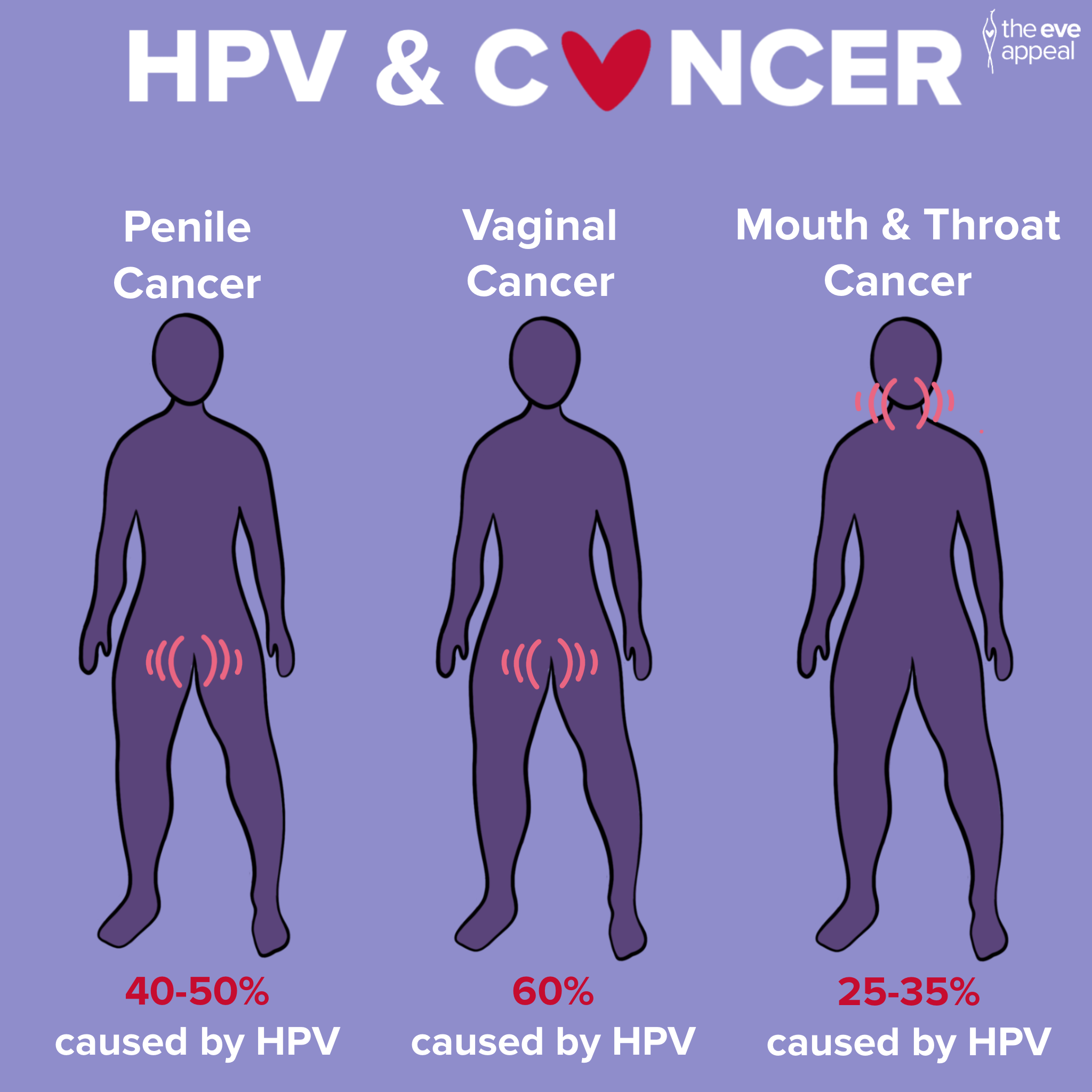
Unfortunately, sometimes HPV doesn’t get cleared from the body and can lead to genital warts, head and neck, cervical, vaginal, vulval, anal or penile cancer.
There are many myths surrounding HPV and also a lot of shame and stigma that come from it being sexually transmitted.
We have a guide with everything you need to know about HPV: eveappeal.org.uk/hpv
Discharge
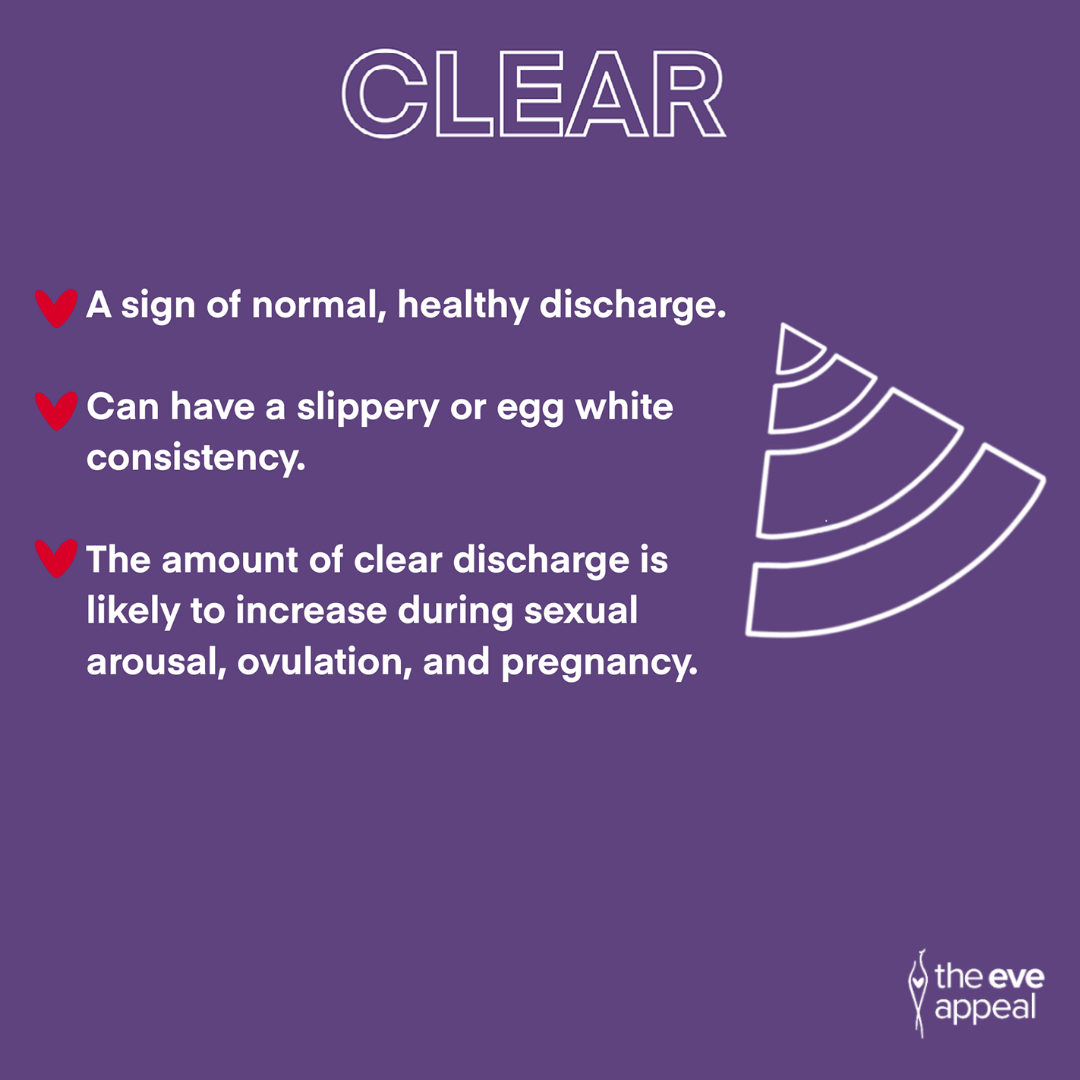
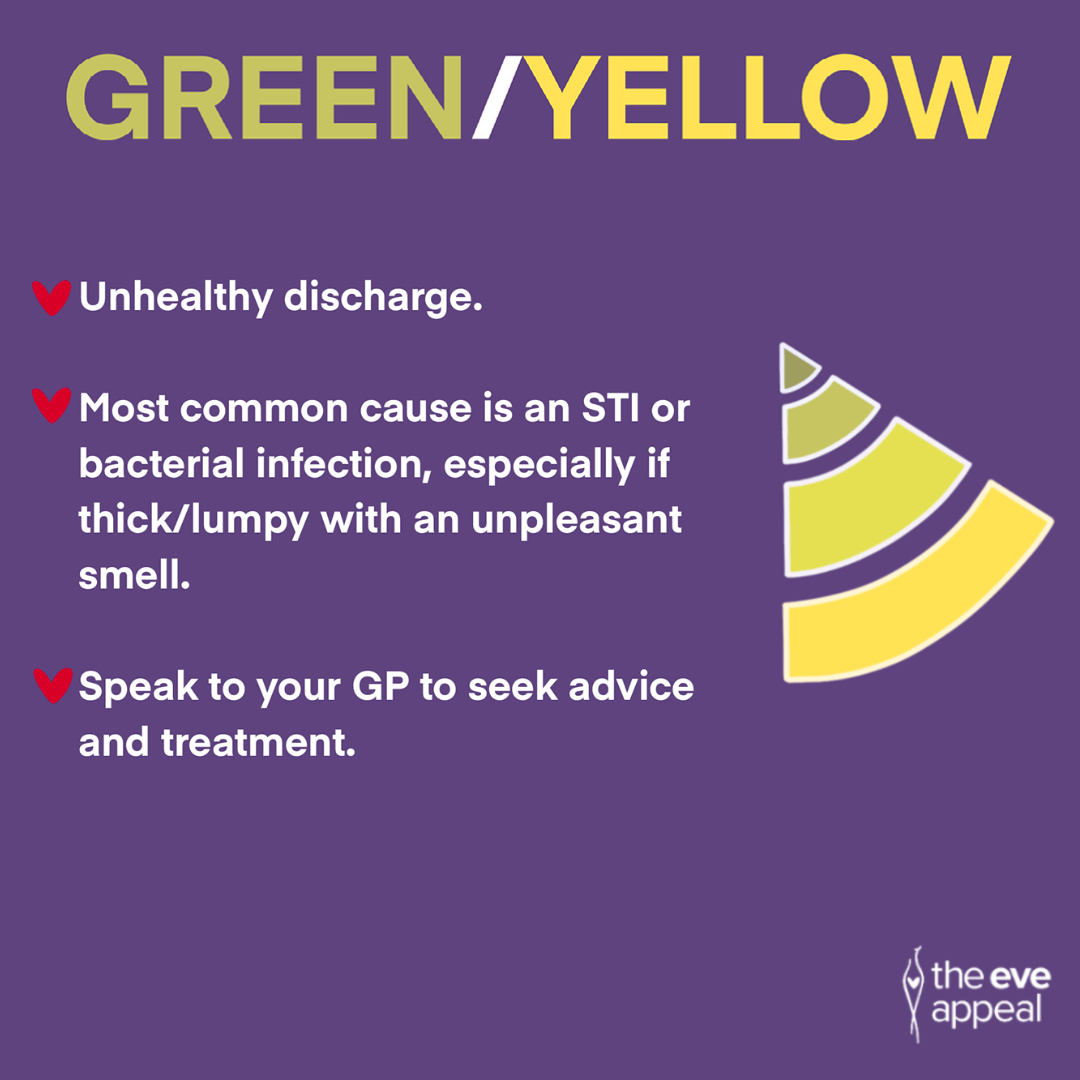
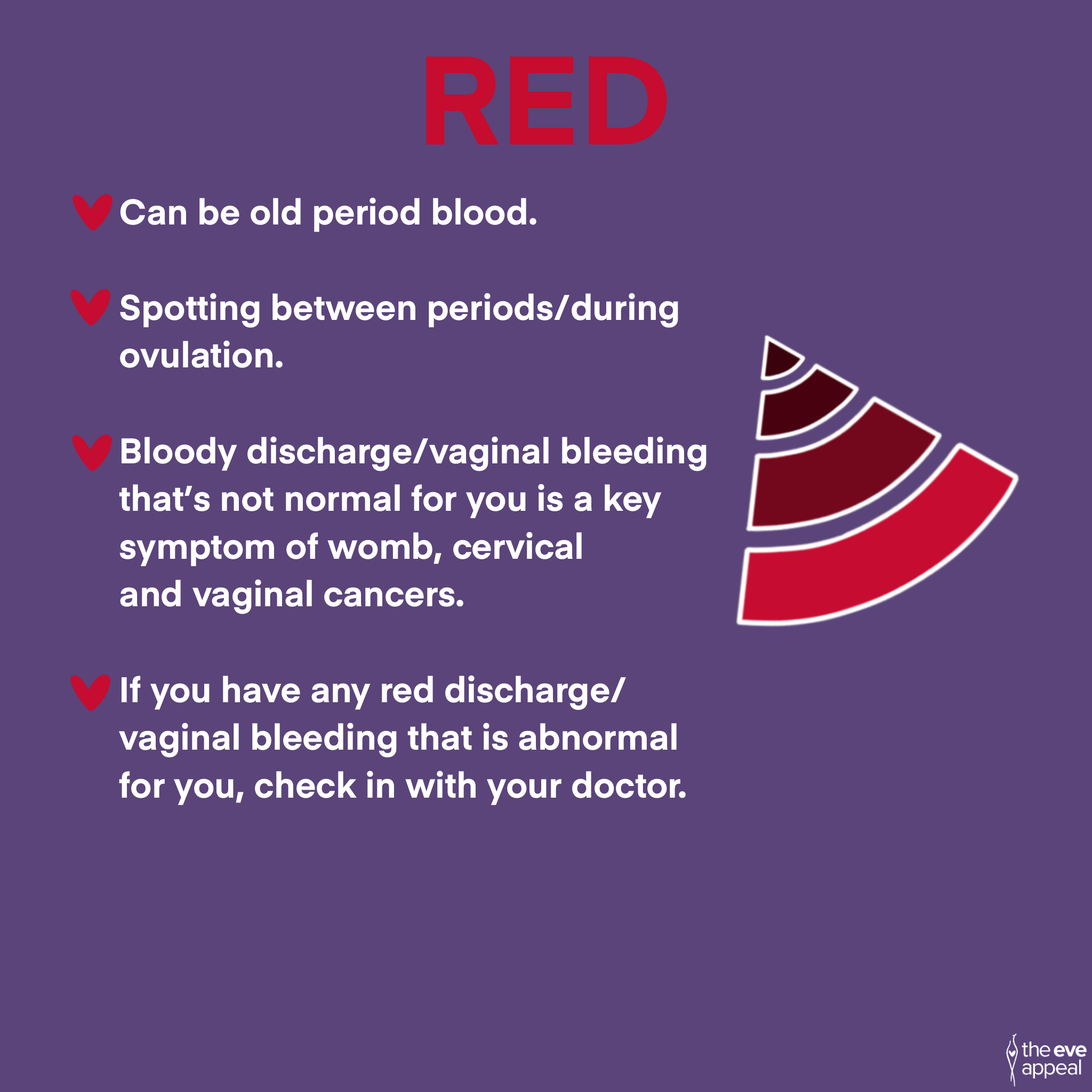
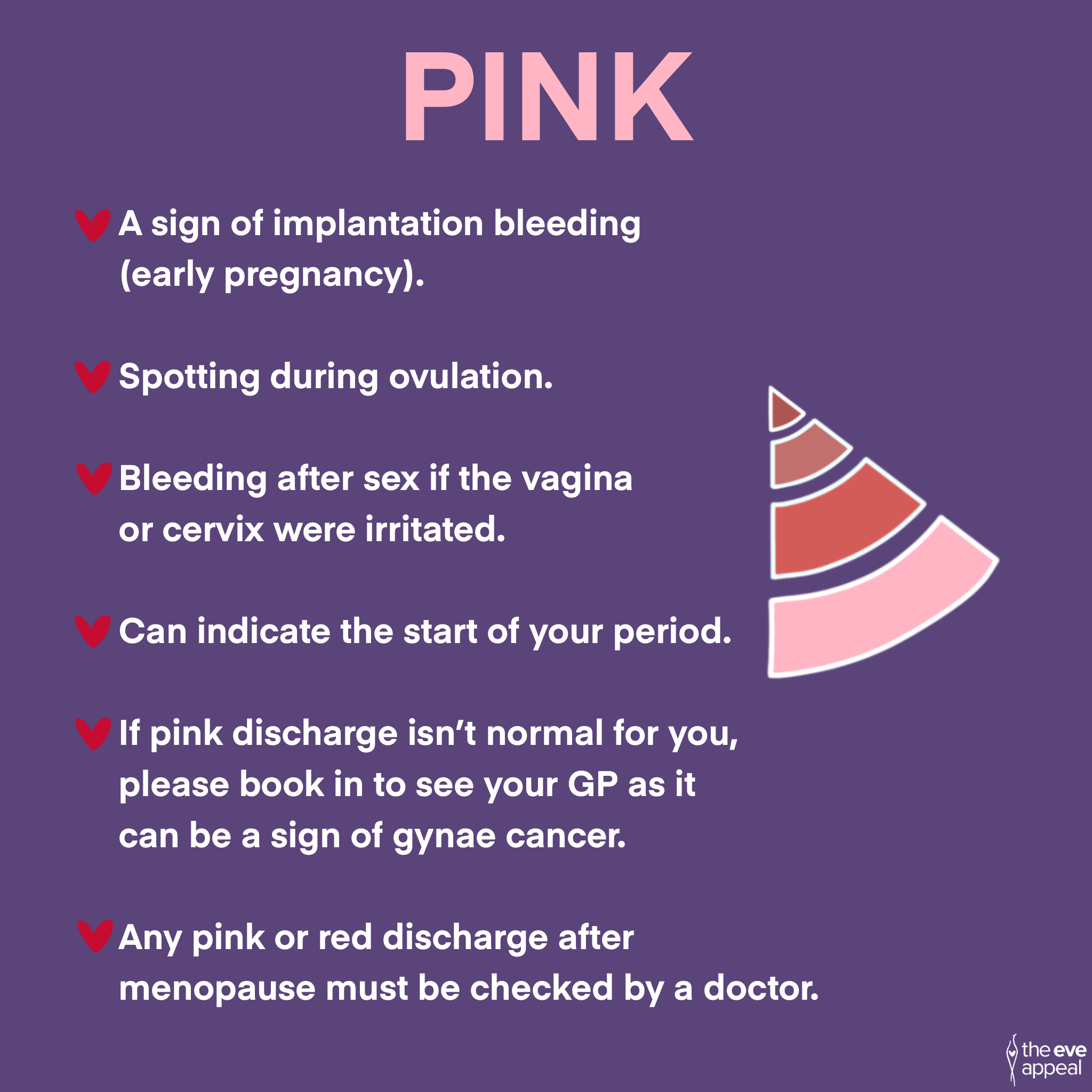
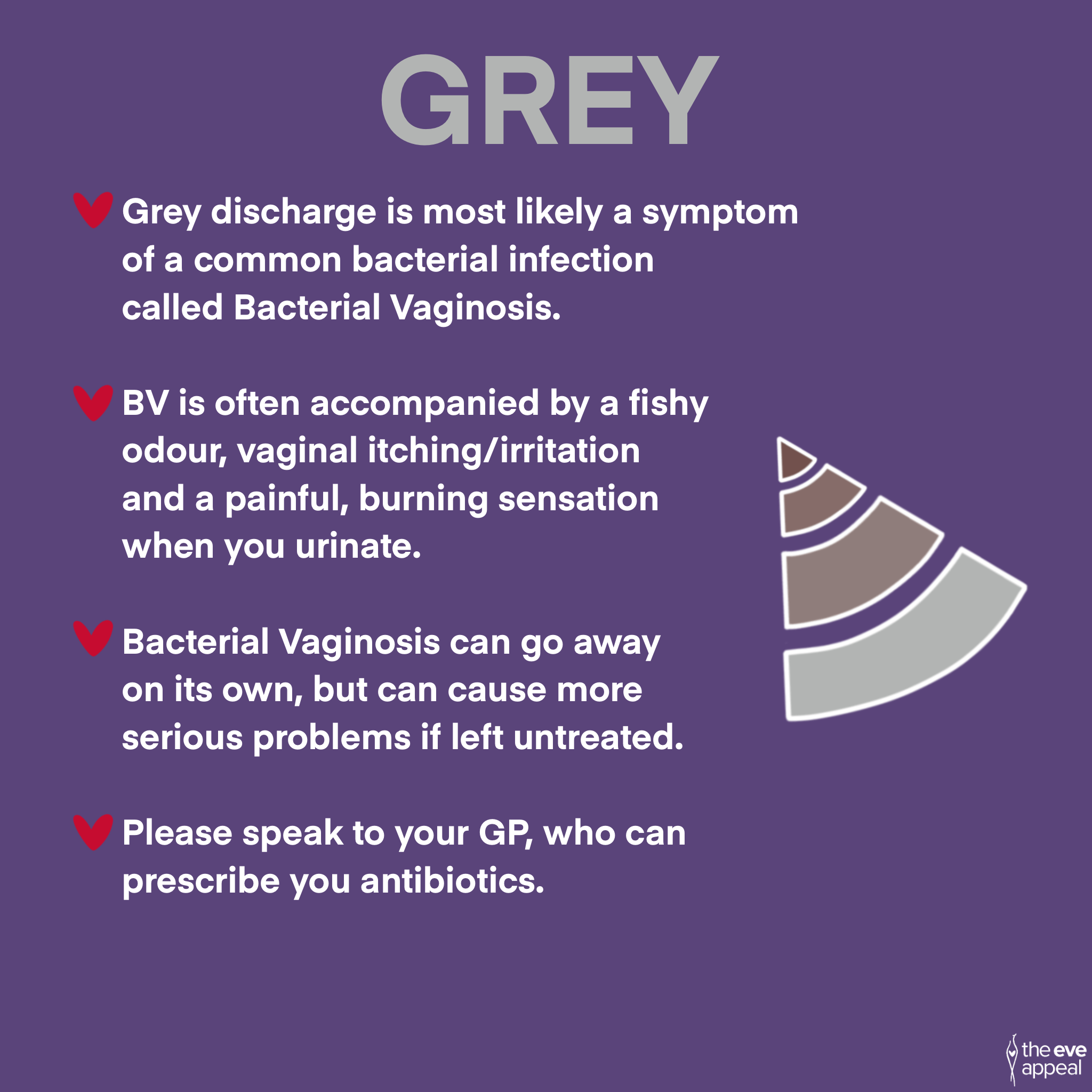
Discharge is a normal bodily function for women and people with a vagina.
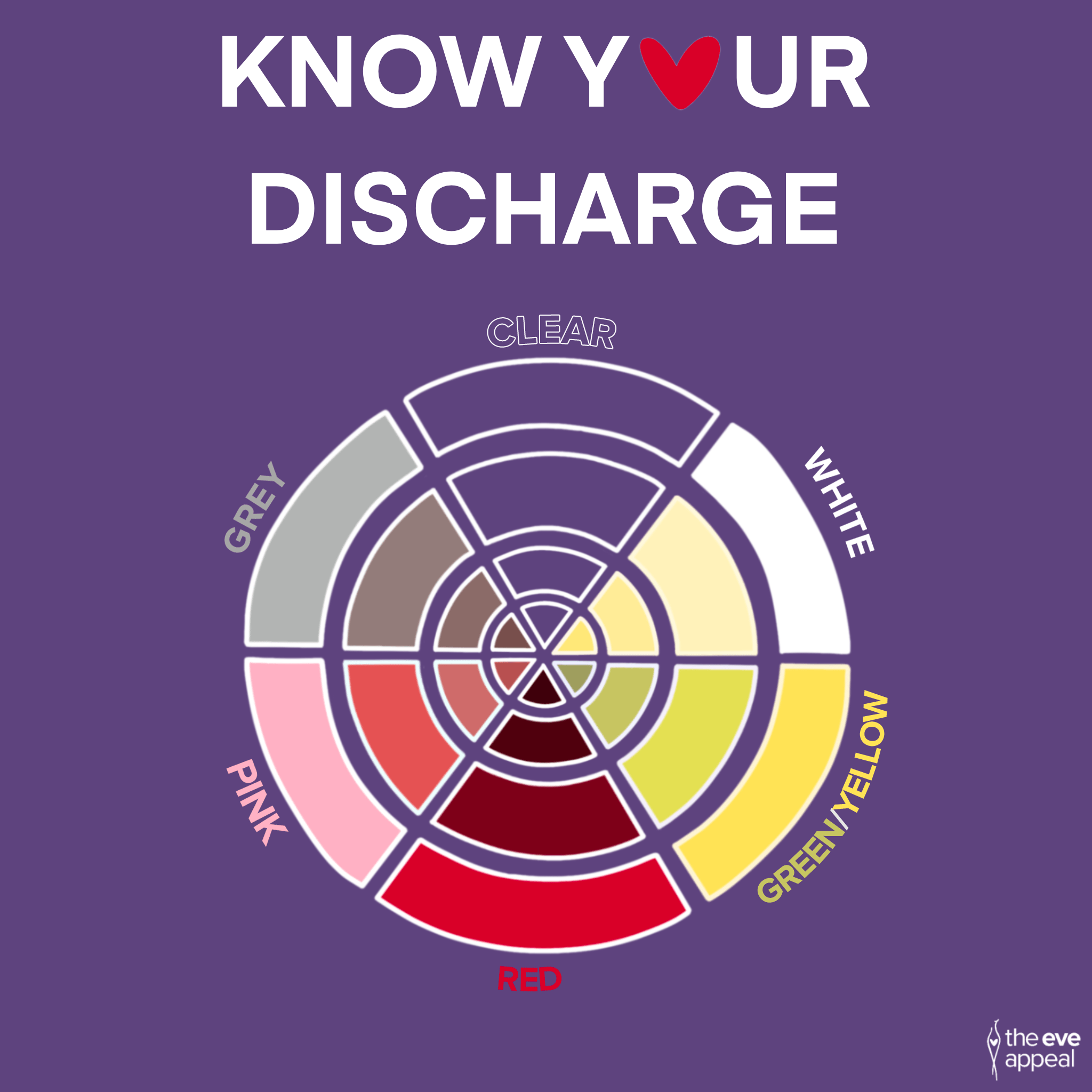
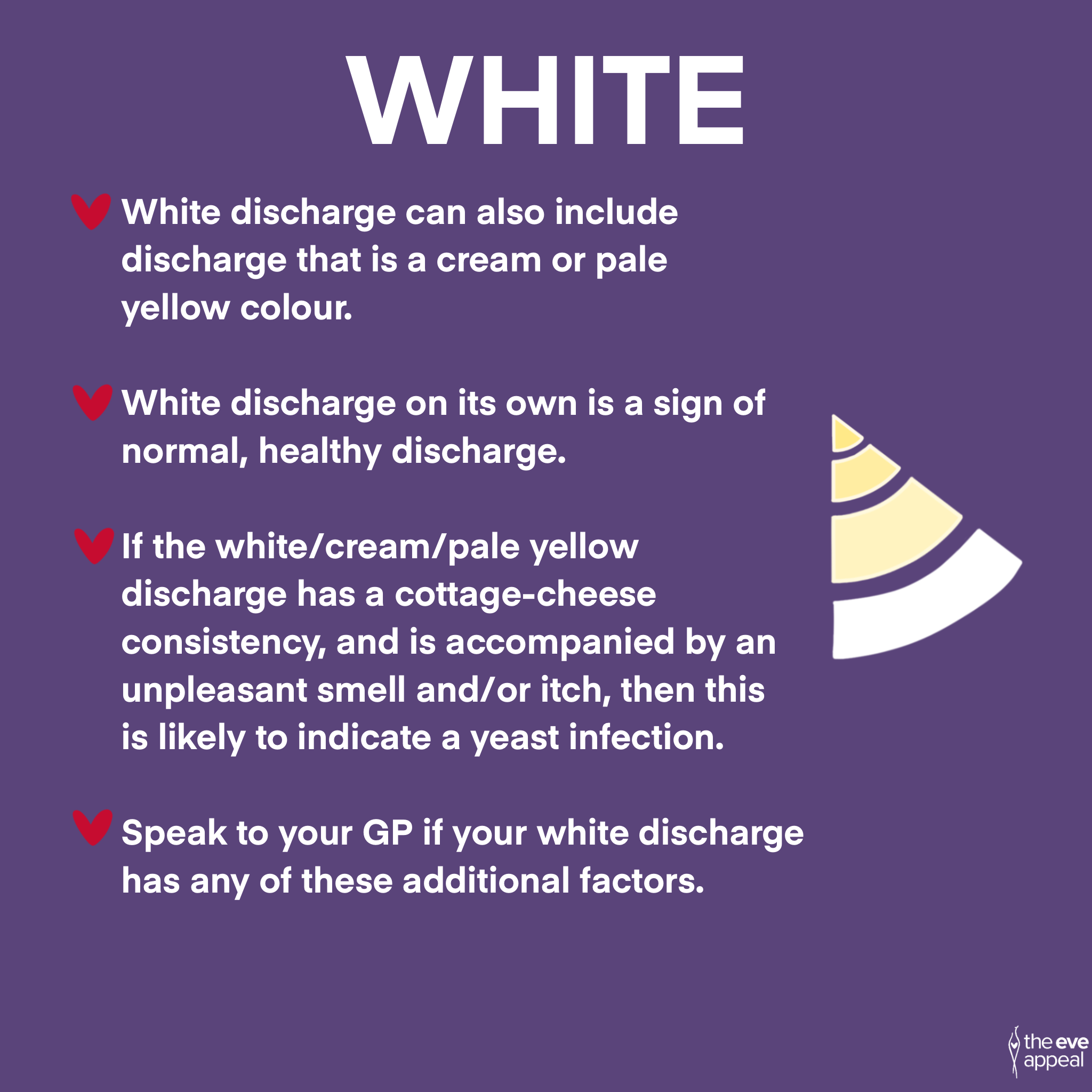
It helps clean the vagina and maintain its low pH to help keep out infections. Discharge can be a great indicator of your gynae health and some changes to discharge can be symptoms of illness or infection.
The colour, consistency and smell of discharge changes throughout the menstrual cycle, so it is important to get to know what is normal for you throughout the month and the key things to look out for that could be a sign of something wrong.
Cervical Screening
If you’re a woman or person with a cervix, you will be eligible to attend a cervical screening test when you turn 25. If you’re a trans man with a cervix and you’re registered as male with your GP, you won’t be automatically invited. Do give your GP a call and get booked in.
In this video Karen runs through what to expect from cervical screening.
We know that for some, for a range of different reasons, cervical screening can be difficult, or even traumatic. If you need them, we have some information and tips to help. We also have some tailored information for trans men and non-binary people with a cervix and tips on how to make the appointment a bit easier.
Menopause
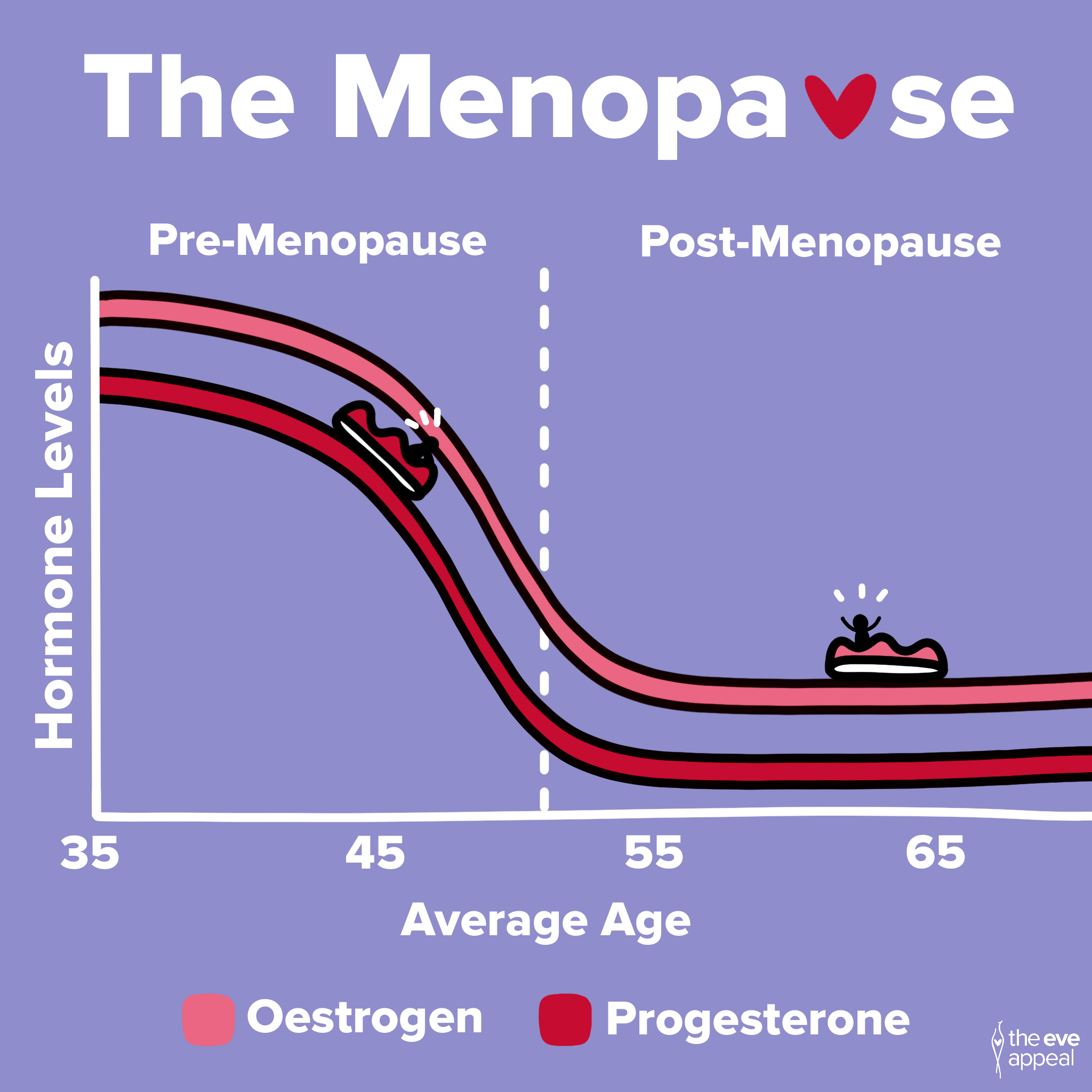
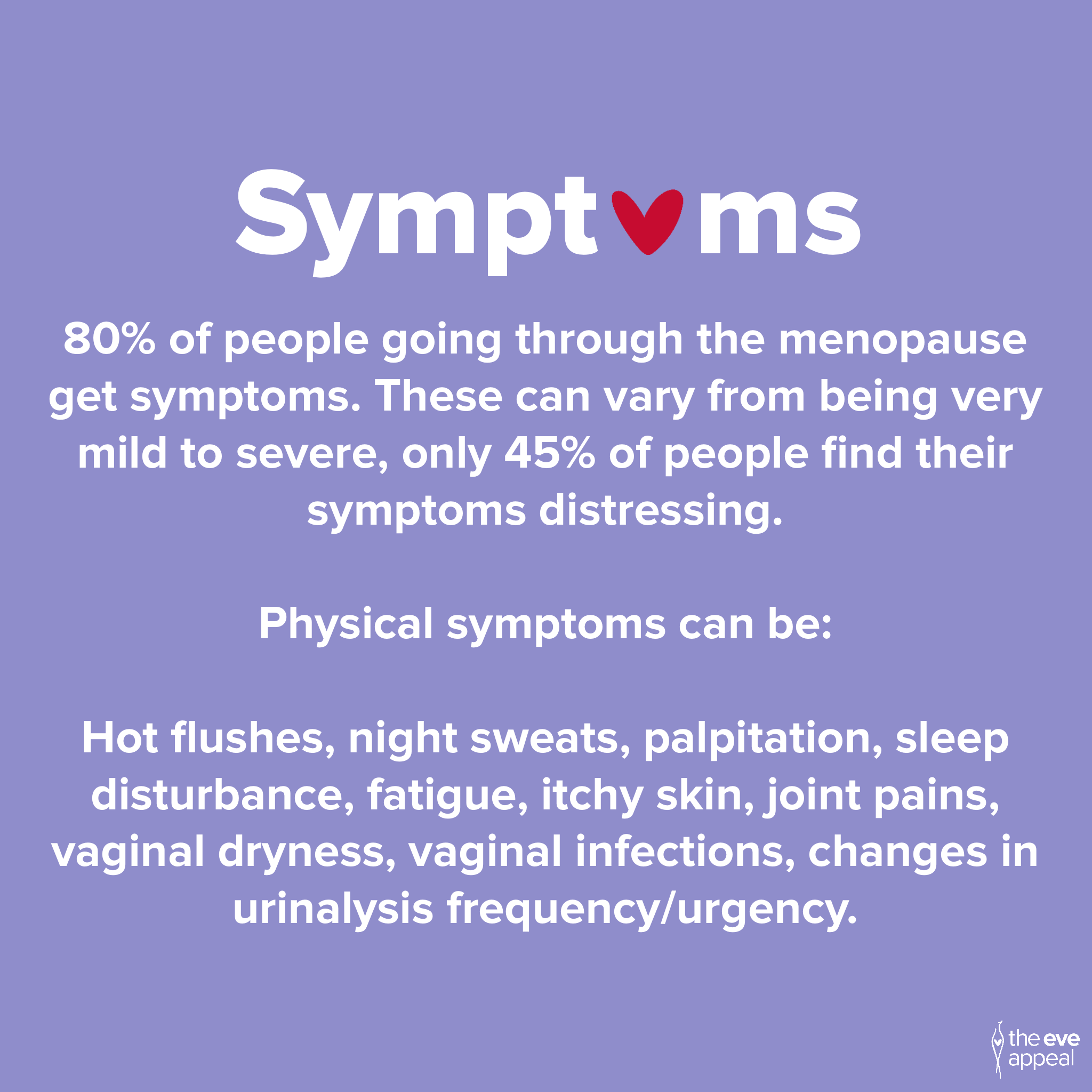
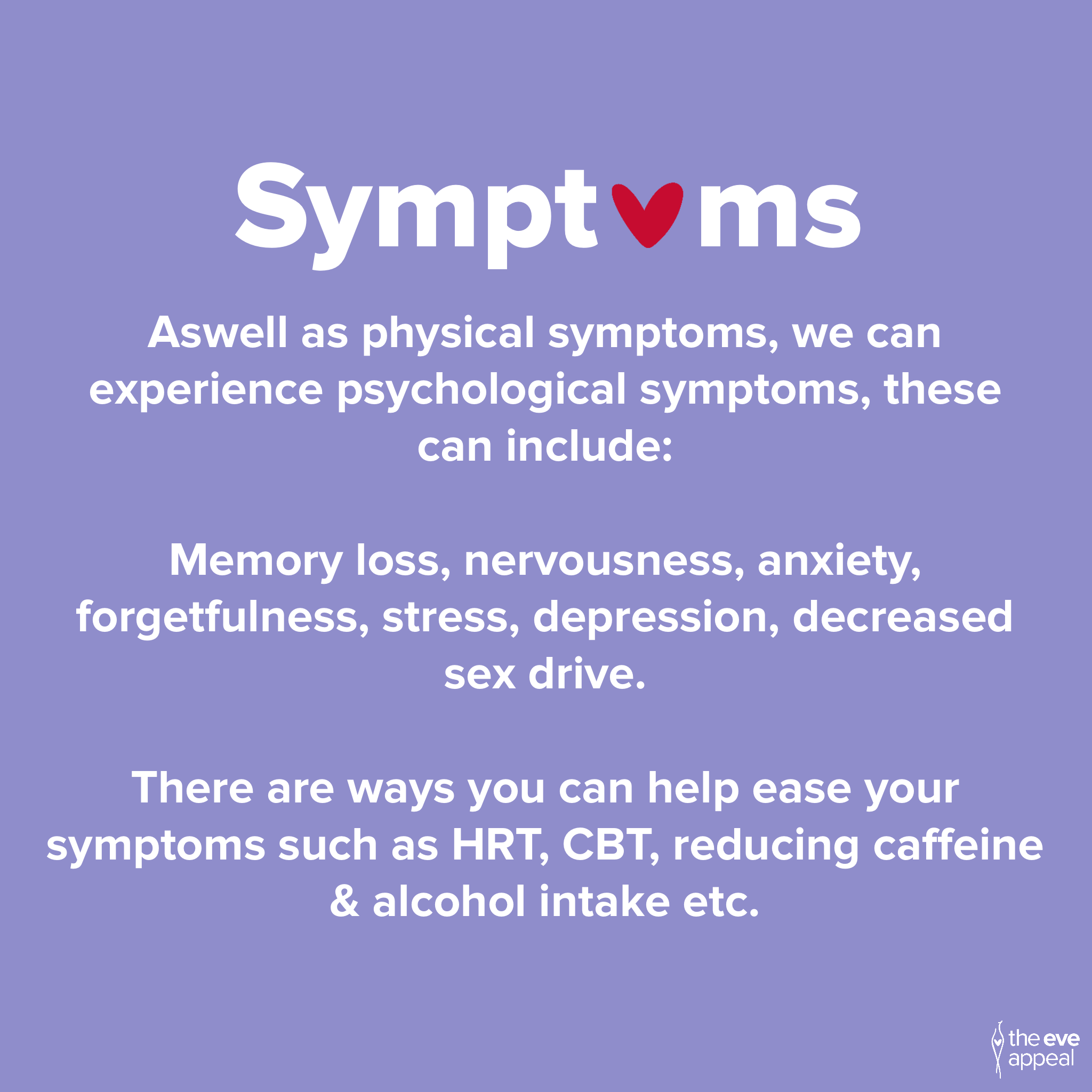
Going through the menopause (perimenopause) is the natural bodily transition that women and people with ovaries will go through at some stage in their life, where the ovaries run out of eggs and begin to transition into a non-functioning state. It may take months or years to go through the menopause, and once you have not had a period for 12 months or more you are menopausal.
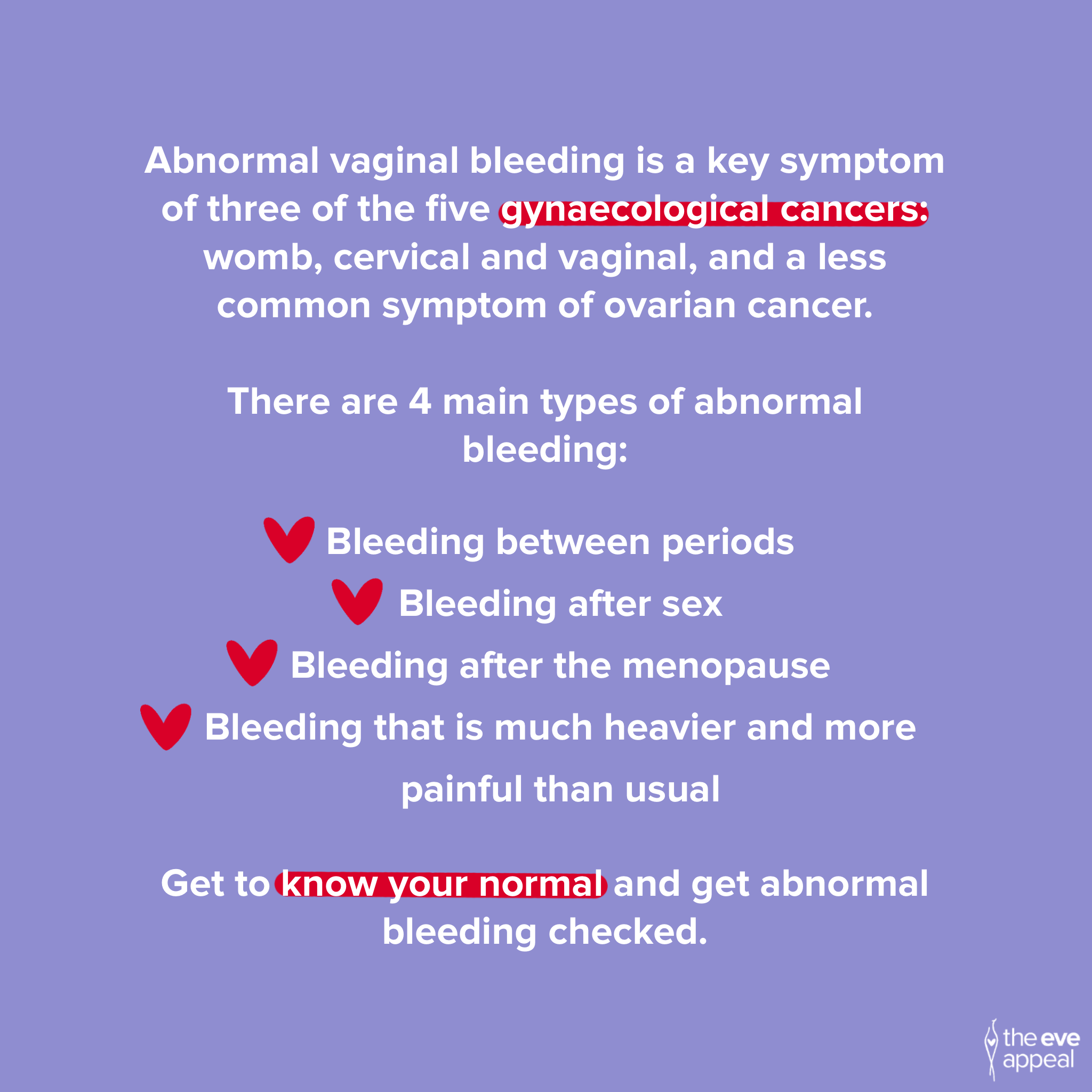
Once you have been through the menopause, any vaginal bleeding is an abnormal bleed, not one last period. If you have any bleeding after the menopause, do go and see a GP, you can also Ask Eve on nurse@eveappeal.org.uk.
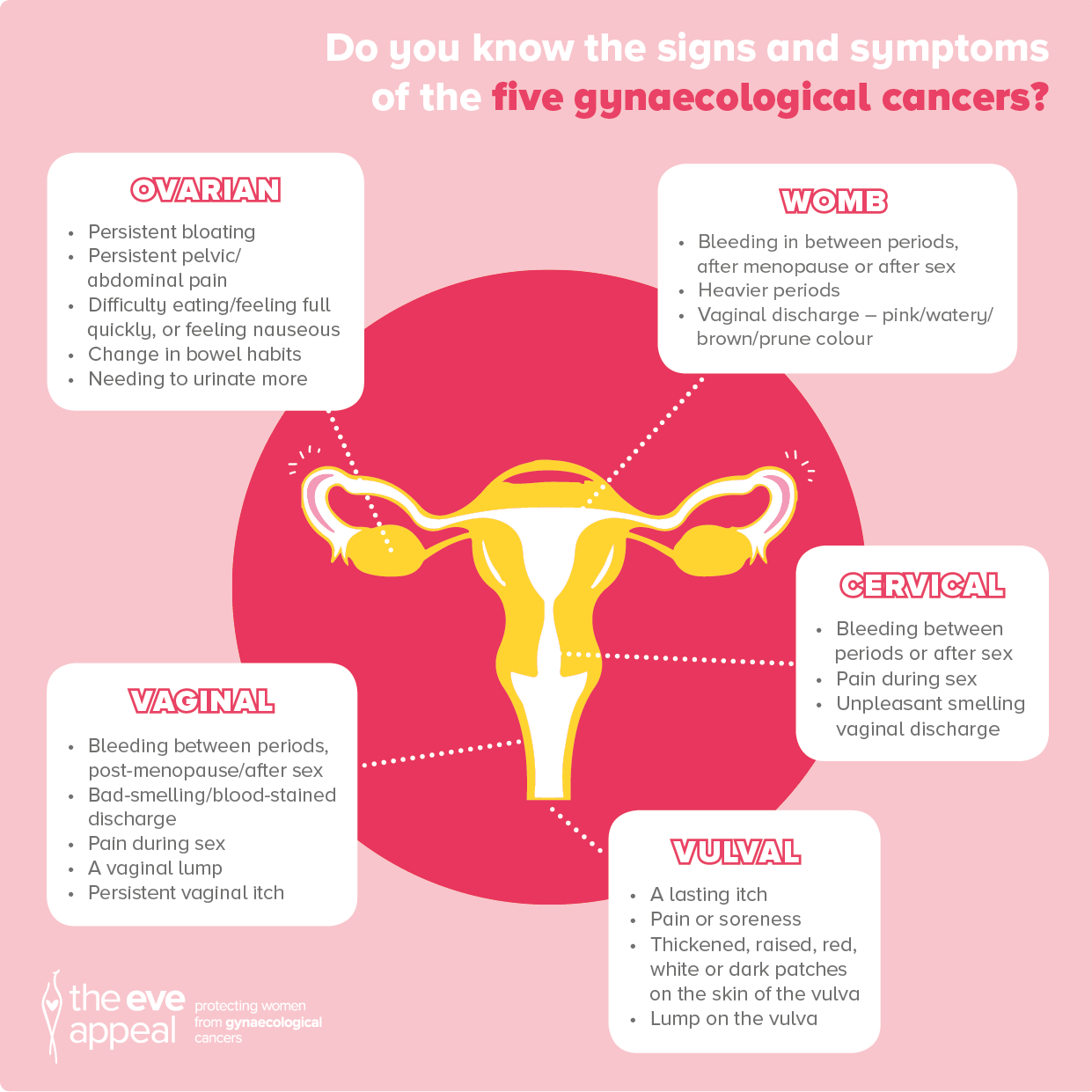
The FIVE Gynaecological Cancers
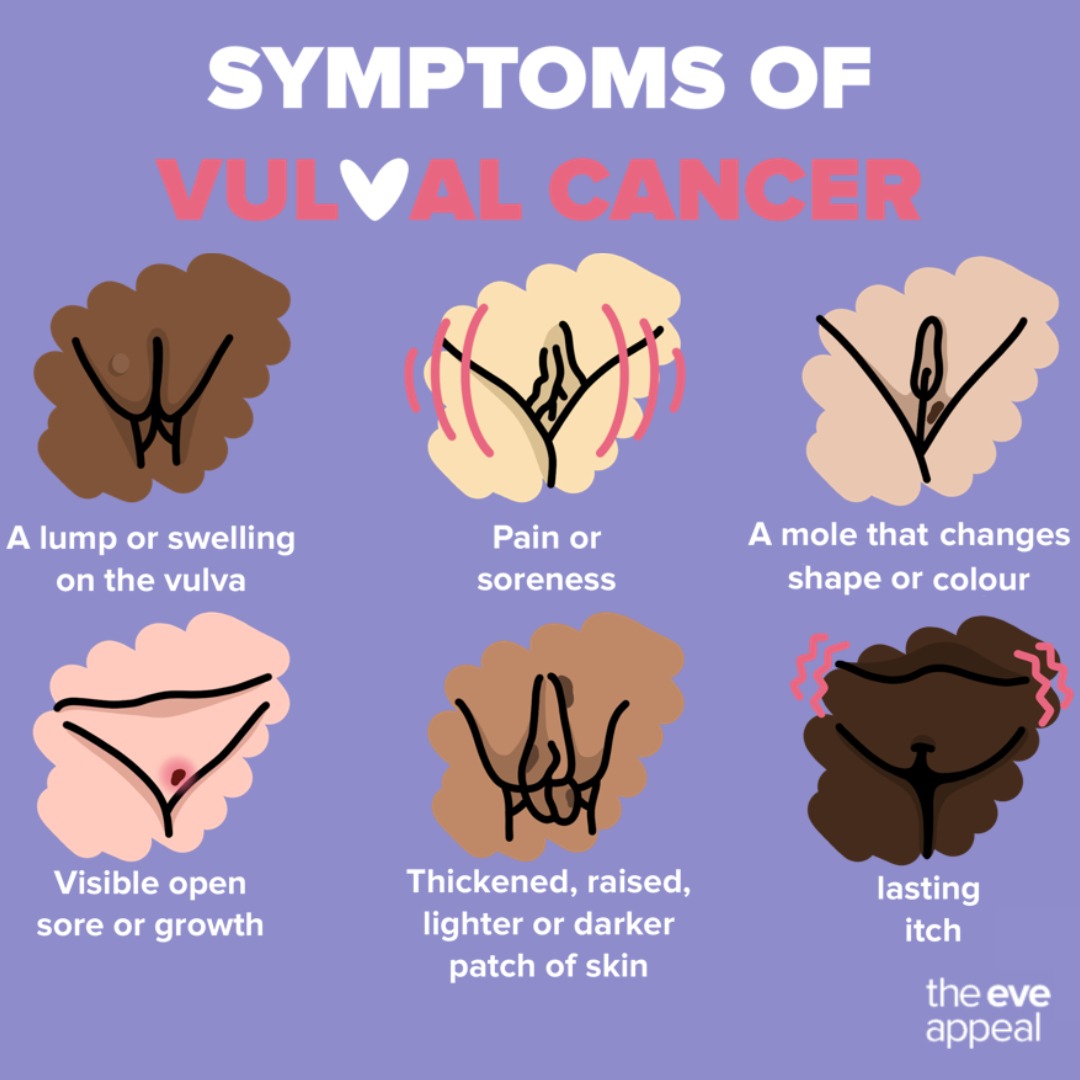
Last but by no means least, get to know the symptoms of the FIVE gynaecological cancers: womb, ovarian, cervical, vulval and vaginal. If you have any of these symptoms, do call your GP and get checked, it’s probably something less serious than cancer, but if it is, getting caught as early as possible makes all the difference in the treatment options available. So get checked, just in case.