

Only 1 in 5 aware of link between oestrogen and risk of womb cancer
This Gynae Cancer Awareness Month we share information to help you understand your hormones and cancer risk
This week is Cervical Cancer Prevention Week 2019 and I, together with The Eve Appeal, would like to try to encourage all women to attend their smear tests. The Eve Appeal is a fantastic UK Charity raising awareness and funding research into the five gynaecological cancers – ovarian, womb, cervical, vulval and vaginal.
Here are the top 5 Cervical Cancer questions:
1) How common is Cervical Cancer?
Cervical Cancer kills around 1000 young women every year in the UK and is more common in sexually active women between 30-45 years. Since smear tests were introduced the incidence of cervical cancer has decreased by 44%. Smear tests save around 4000 lives per year in the UK from Cervical Cancer. The smear test is a routine examination of the cervix (the entrance to your uterus) to look for cancer or changes in the cervix. Recent data shows that there has been a marked reduction in 25-29 year olds attending their smear test possibly due to embarrassment. It is so important that we don’t let embarrassment stop us from attending our smear tests, the doctor or nurse who does your smear will be highly trained in this procedure and it could potentially save your life.
2) What are the symptoms of Cervical Cancer?
Early Cervical Cancer may be ‘silent’. There are often no symptoms when Cervical Cancer is in the early stages so you may not know you have cancer until it has spread. Symptoms to look out for are any unusual vaginal bleeding, bleeding after sex or in between your periods. Look out for other subtle changes that are persistent like feeling profoundly tired, lower abdominal pain, changes to urinary or bowel habit or unintentional weight loss. It is so important to know your own normal and see your GP if there are any changes.
3) What happens during a smear test?
A Smear test is done routinely in your GP surgery by your practice nurse or doctor and only takes a few minutes to perform. There is no cutting, no injections, no stitches. A plastic speculum is inserted into your vagina and a small brush is gently rotated within your cervix to collect the cells and test for HPV (Human Papilloma Virus). A smear is currently offered on the NHS every 3 years from ages 25-49 and every 5 years from 50-64.
4) Why should I have a smear test?
A smear test can detect early Cervical Cancer before it progresses and if you are diagnosed with cervical cancer it can improve your prognosis and chances of survival. A Smear test can also predict if you are going to develop Cervical Cancer in the future. It does this by detecting a Human Papilloma Virus (HPV) infection in the vagina, if you are found to be infected with a strain of HPV infection that is linked to cervical cancer then you will be monitored more closely and treated if necessary.
5) How can I prevent Cervical Cancer?
HPV (Human Papilloma Virus) is a group of highly contagious viruses and there are around 100 different strains. Most of these strain cause common viruses and then our bodies get rid of them. There is however a couple of strains that seem more aggressive and we are unable to get to rid of. These few ‘aggressive’ strains are linked in most cases of Cervical Cancer, but can also increase the risk of anal, mouth, throat and penile cancer. To significantly reduce the risk of cervical cancer, an HPV vaccine is offered to all 12 and 13 year old girls in the UK. This vaccine also reduces the risk of anal, throat, mouth and penis cancer so from this year onwards will be offered to boys too.
Summary
Have the HPV vaccine at school and attend your routine smear at your GP surgery, encourage loved ones to do the same. Raising awareness could prevent young women from developing this disease. If you notice any change to your periods, for example bleeding or pain with sex, or bleeding between your periods, then please see your GP for a review.
This Gynae Cancer Awareness Month we share information to help you understand your hormones and cancer risk

We are calling on the Government to keep the two week referrals target for 'red flag' cancer symptoms
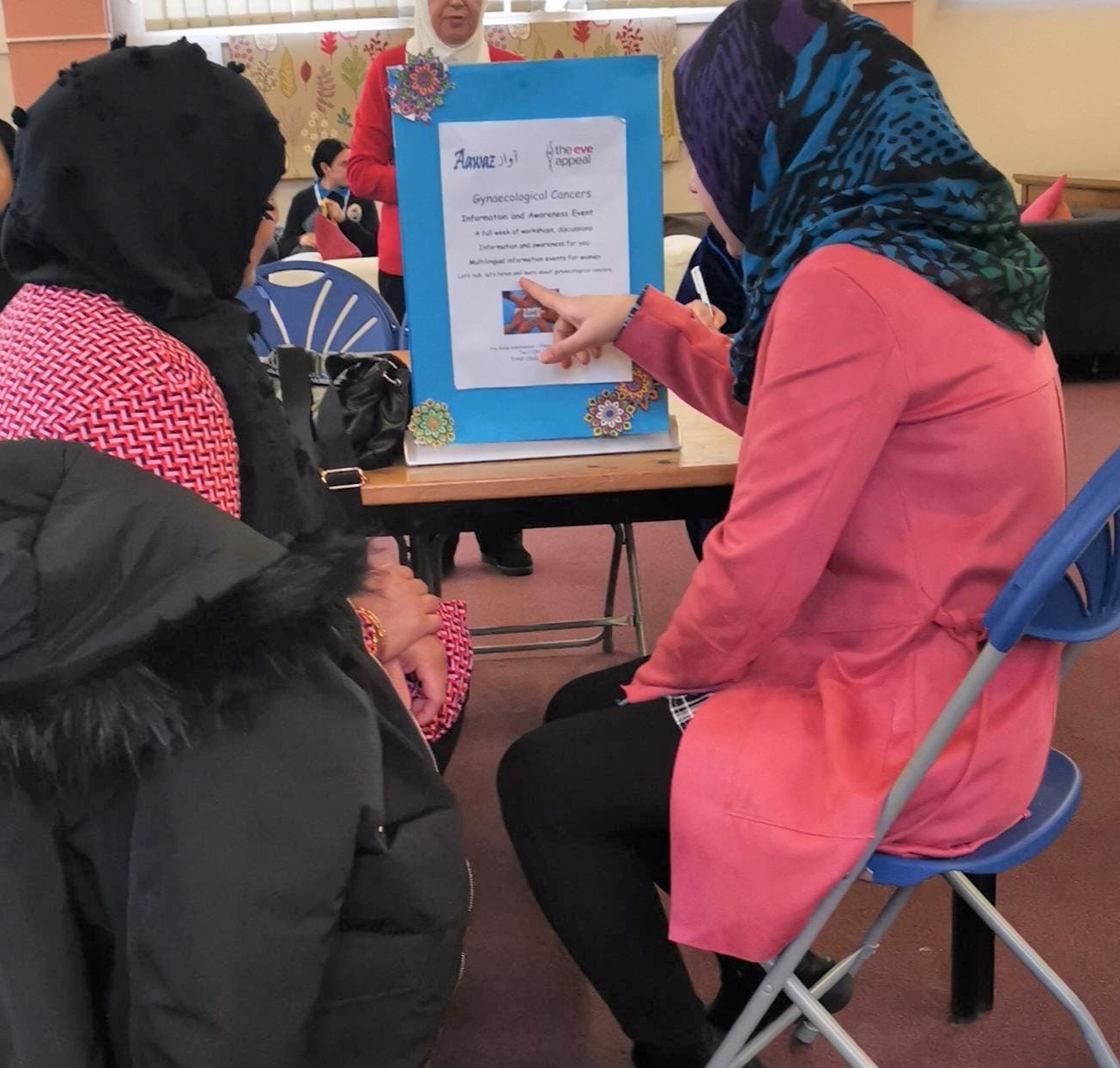
We run through our project working with members of the South Asian community to raise awareness of gynae cancers.

Ask Eve's Nurse Co-ordinator, Helen, blogs about the increased demand on the service.

Phil and Mark share their story of why they are walking from Winchester to Rome.

Kathy shares her story of vaginal cancer and the advocacy work she has done.
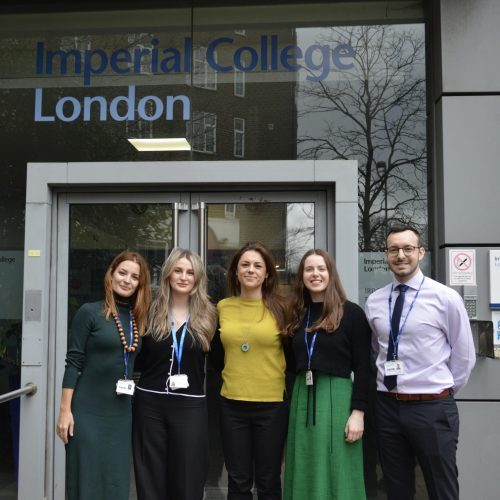
A team from Imperial College London are looking into a more accurate and kinder way to diagnose and treat vulval cancer.

Get Lippy and Loud this May and smash the taboos around gynae health.

This Ovarian Cancer Awareness Month Heather tells her story of living with stage 4 ovarian cancer.